

Top Analytical Methods for Herbs from Leading China Manufacturers
When I think about analytical methods for herbs, I immediately recognize the incredible importance they hold for manufacturers in China. I understand how crucial it is to ensure that the herbs you source are of the highest quality and potency. Our products utilize advanced techniques like HPLC, GC-MS, and spectrophotometry to provide detailed analysis, guaranteeing that you receive accurate and reliable results. We pride ourselves on being a premier manufacturer that meets international standards, helping you maintain your competitive edge in the market. It's essential for buyers like you to trust your sources, and we are committed to providing transparency and excellence in our analytical methods. With our expertise, you can confidently offer your customers products that are safe, effective, and made with quality herbs. Let’s work together to enhance your product line and satisfy your clients' demands!
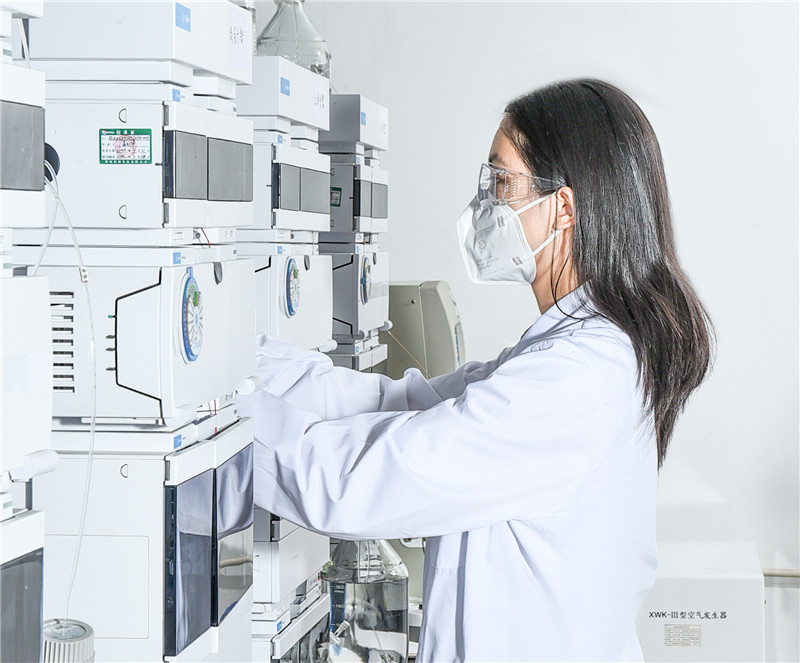
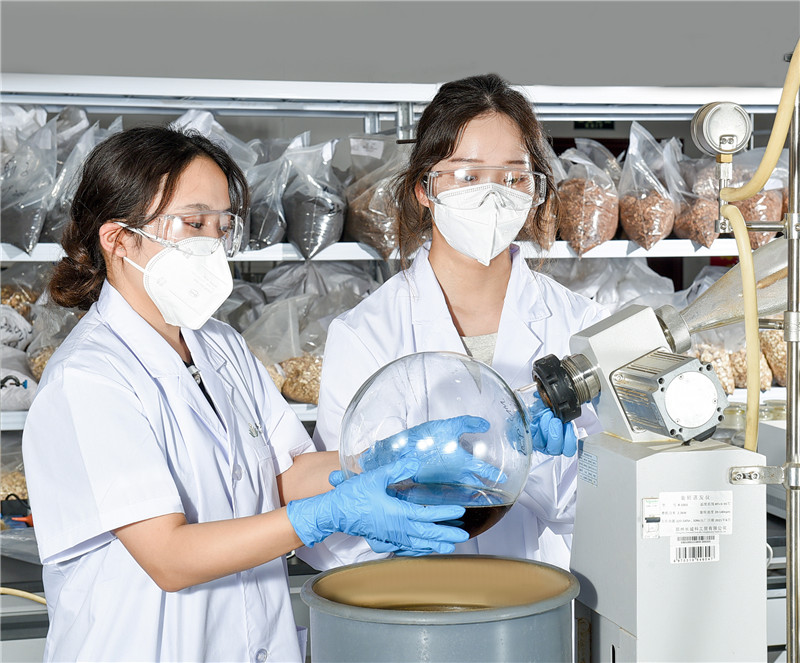


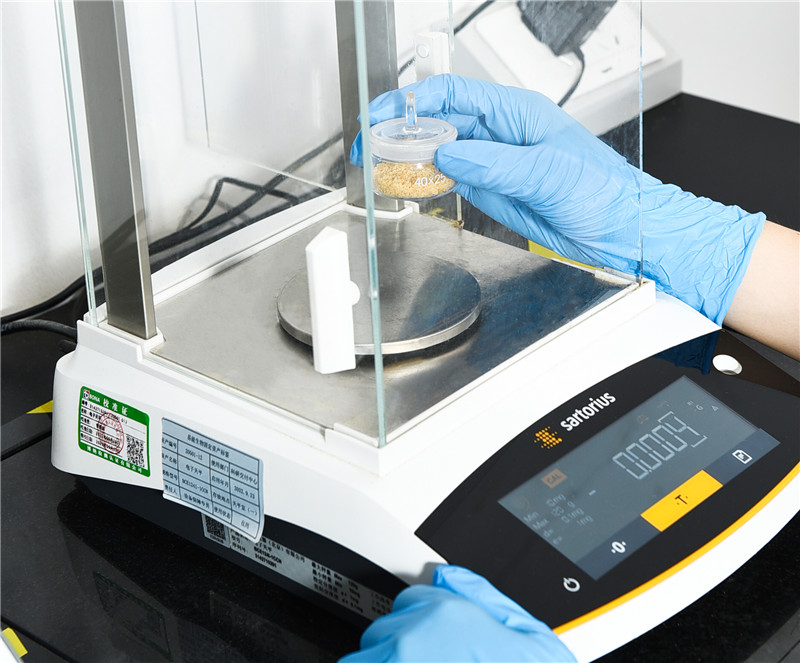

Analytical Methods For Herbs Winning in 2025 Factory-Direct Excellence
In the evolving landscape of herbal products, the significance of analytical methods cannot be overstated. As we approach 2025, manufacturers and suppliers must prioritize rigorous testing and validation of herbal ingredients to ensure quality and consistency. Advanced analytical techniques, including high-performance liquid chromatography (HPLC) and mass spectrometry (MS), play a pivotal role in identifying active compounds and contaminants. By leveraging these methods, producers can maintain factory-direct excellence, meeting the stringent demands of global buyers seeking transparency and reliability in their supply chains. Additionally, consumer preferences are shifting towards products backed by science. Buyers are increasingly interested in understanding the origins, potency, and safety of herbal formulations. Suppliers who adopt cutting-edge analytical approaches to verify product claims stand to gain a competitive edge in the market. Moreover, integrating these methods into production processes not only enhances product quality but also fosters trust among consumers, allowing companies to build stronger relationships with their clientele. As we look towards 2025, the implementation of comprehensive analytical strategies will be essential for those aiming to succeed in the global herbal market. Manufacturers who invest in innovation and adhere to stringent quality standards will not only thrive but also contribute to the overall advancement of the herbal industry, ensuring that consumers receive the highest quality products they deserve.
Analytical Methods For Herbs Winning in 2025 Factory-Direct Excellence
| Herb Name | Analytical Method | Active Compounds | Testing Frequency | Regulatory Compliance |
|---|---|---|---|---|
| Lavender | GC-MS | Linalool, Linalyl acetate | Monthly | FDA, ISO 17025 |
| Ginseng | HPLC | Ginsenosides | Bi-Annual | NDA, ISO 9001 |
| Turmeric | UV-Vis | Curcumin | Quarterly | EFSA, GAP |
| Peppermint | GC-MS | Menthol, Menthone | Monthly | FDA, GMP |
| Echinacea | HPLC | Echinacoside, Caffeic acid | Annual | USP, ISO 22000 |
Related Products





Analytical Methods For Herbs Industry Giant More Than a Supplier - A Partner
Top Selling Products
- Related Blog
- Reviews
