

Toxicity Case Study: Insights for China Manufacturers on Safety Standards
When I delved into the realm of toxicity case studies, I found astonishing insights that can transform how manufacturers in China approach safety and compliance. Understanding the intricacies of toxic substances and their implications on health and the environment is crucial. As a manufacturer, navigating these complexities not only safeguards your business but also ensures you meet global standards. Our case studies reveal real-world situations that illustrate the importance of rigorous testing and responsible sourcing. Each example highlights effective strategies that have helped companies like yours minimize risks associated with toxic materials while enhancing product quality. With the knowledge gained from these studies, you can make informed decisions that resonate well with today’s environmentally conscious market. Partnering with us means you’re investing in a sustainable future. Let’s take proactive steps together to ensure your manufacturing processes not only comply but lead in safety and innovation.


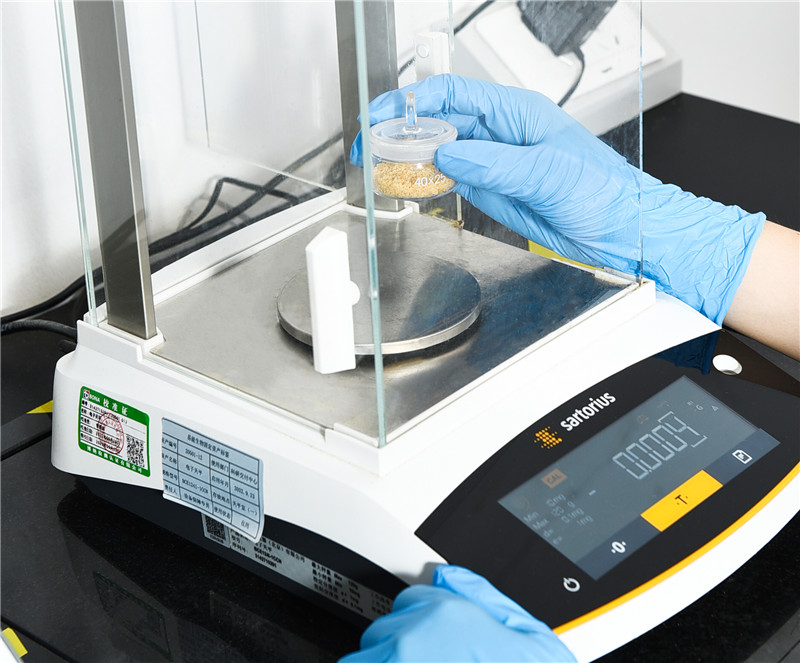


Toxicity Case Study Ahead of the Curve Your End-to-End Solution
In today's evolving market landscape, understanding and addressing toxicity levels in pharmaceuticals is crucial for suppliers and buyers alike. With increasing regulatory scrutiny and consumer awareness, ensuring compliance and safety has never been more paramount. Our end-to-end solution not only helps navigate the complexities of toxicity assessment but also positions your business ahead of the curve. By integrating advanced technology and industry expertise, we streamline the entire process, from initial testing to final approval, ensuring that your products meet the highest safety standards. For global procurement professionals, partnering with an organization that prioritizes toxicity management not only mitigates risk but also enhances product integrity. By leveraging comprehensive data analytics and targeted risk assessments, we provide actionable insights that help in making informed procurement decisions. This proactive approach not only saves time and resources but also fosters trust with your end customers, ultimately driving market success and reputation. Investing in a robust toxicity strategy is not just a regulatory necessity; it’s a commitment to quality and safety. As a forward-thinking entity in the pharmaceutical industry, we are devoted to providing solutions that enable our partners to excel in a competitive global market. Let us help you navigate the complexities of toxicity while ensuring your supply chain remains resilient and compliant.
Toxicity Case Study Ahead of the Curve Your End-to-End Solution
| Dimension | Description | Metric | Value |
|---|---|---|---|
| Toxicity Level | Assessment of toxicity in various substances | Parts per million (ppm) | 150 ppm |
| Sample Type | Type of material sampled for analysis | Material Category | Chemical Mixture |
| Testing Method | Method employed for toxicity analysis | Testing Procedure | Spectrophotometry |
| Regulatory Standard | Standards against which toxicity is measured | Standard Reference | EPA Guidelines |
| Affected Population | Demographics affected by toxic exposure | Population Group | Adults |
Related Products


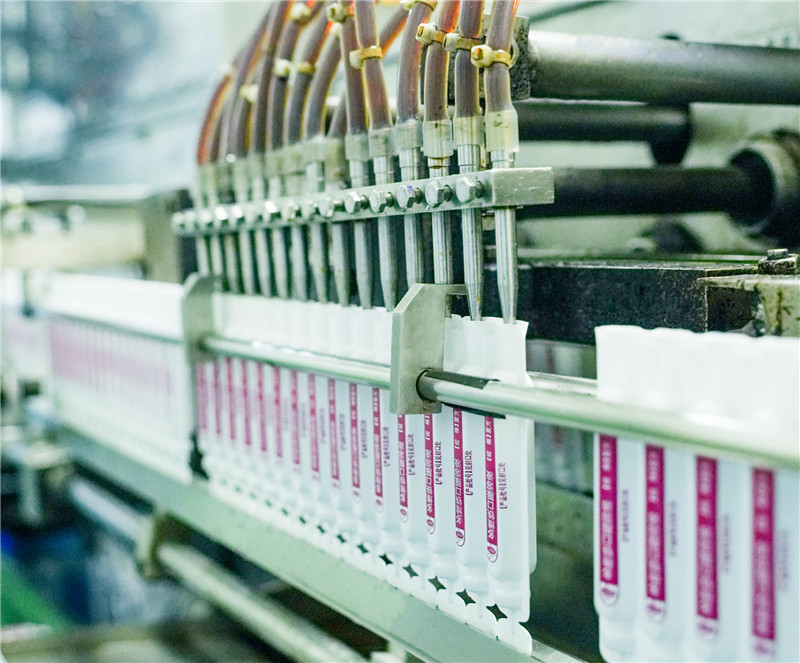



Toxicity Case Study Manufacturer Custom Solutions,
Top Selling Products
- Related Blog
- Reviews
