

Enhance Manufacturing Improvements with Top China Manufacturers
As a B2B purchaser, I know the importance of maximizing efficiency in manufacturing. That’s where our focus on manufacturing improvements truly shines, especially for companies looking to source from reliable manufacturers in China. Our innovative solutions help streamline processes, reduce waste, and enhance product quality, ensuring you get the best value for your investment. When working with Chinese manufacturers, it’s crucial to have a partner who understands the landscape and can navigate challenges effectively. I’ve seen how targeted improvements can lead to increased productivity and better supply chain management. By prioritizing manufacturing enhancements, I can help you unlock new levels of performance and profitability. Choosing the right manufacturer isn’t just about cost; it's about building a relationship that fosters growth and innovation. I’m here to support your business goals, ensuring that every step we take is geared towards success in this competitive market. Let’s talk about how we can transform your manufacturing operations together!
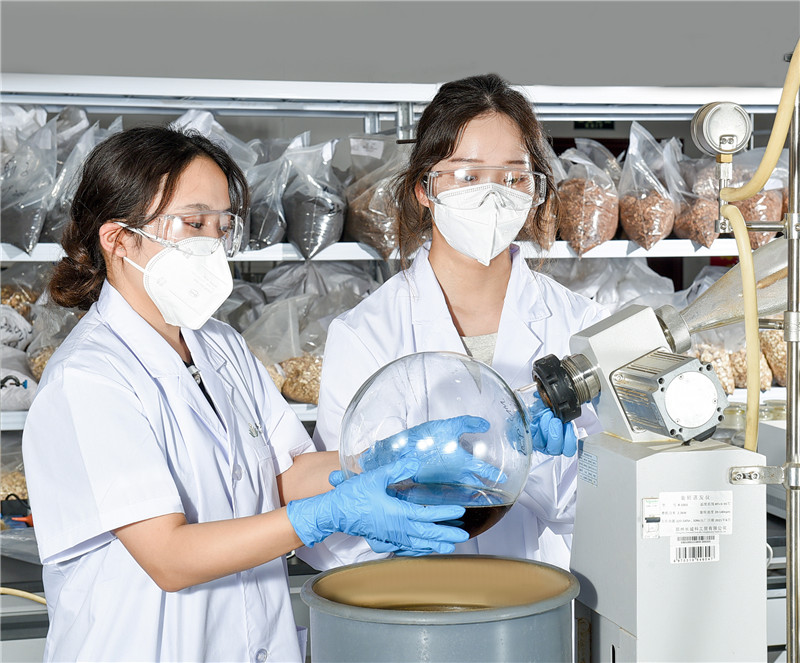

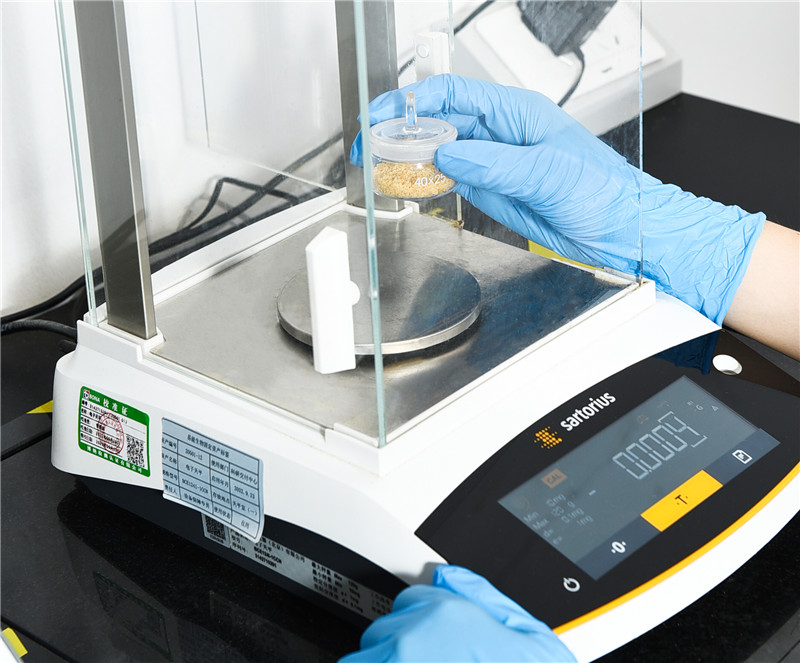
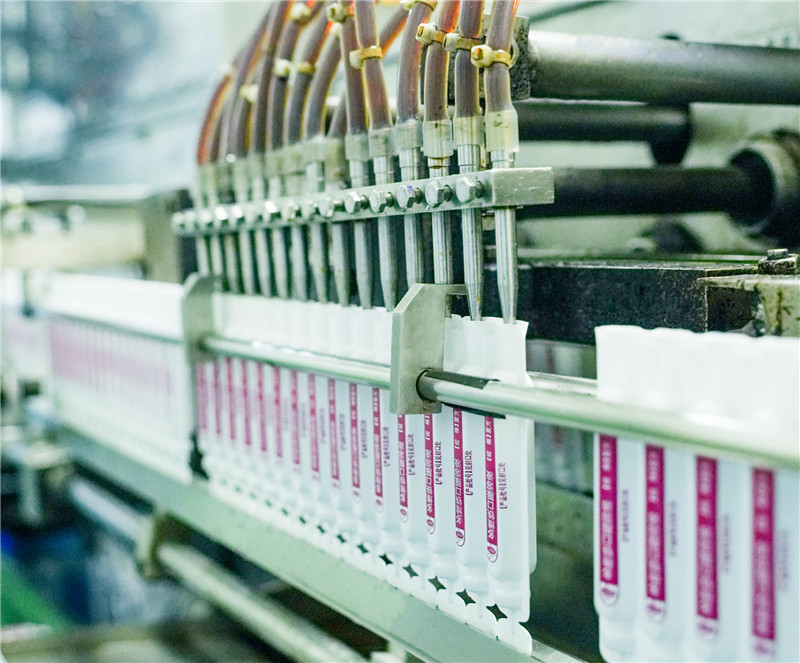

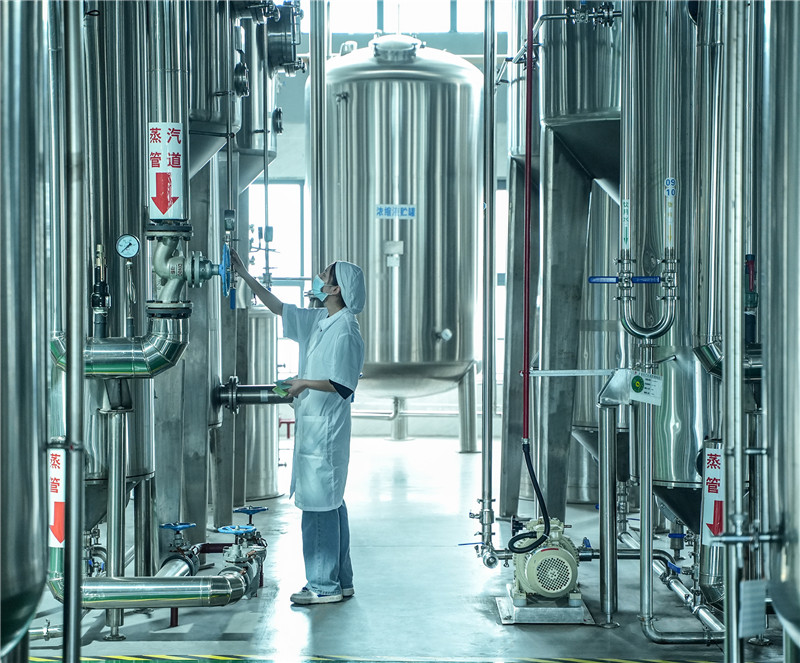
Manufacturing Improvements Winning in 2025 Factory-Direct Excellence
In the rapidly evolving manufacturing landscape, achieving factory-direct excellence is essential for staying competitive, especially as we look towards 2025. Companies need to embrace lean manufacturing principles and innovative technologies, fostering an environment where continuous improvements are the norm. This approach not only enhances operational efficiency but also significantly reduces costs. By streamlining processes, businesses can deliver higher quality products faster, meeting the rising demands of global markets. Additionally, investing in advanced manufacturing solutions, such as automation and data analytics, plays a crucial role in optimizing production lines. These technologies provide real-time insights and help identify bottlenecks, enabling companies to make informed decisions quickly. As we navigate the complexities of global supply chains, adopting sustainable practices also becomes paramount. It strengthens brand integrity and appeals to environmentally-conscious buyers, ensuring long-term success in the marketplace. Looking ahead, collaboration across the supply chain will be key to unlocking further efficiencies. By building strong partnerships, manufacturers can share resources, knowledge, and best practices. This collective approach not only enhances innovation but also drives the industry towards a more integrated and resilient future. As businesses prepare for the challenges of 2025, the commitment to excellence in manufacturing will define leaders in the industry.
Manufacturing Improvements Winning in 2025 Factory-Direct Excellence
| Improvement Area | Description | Expected Outcome | Implementation Timeframe |
|---|---|---|---|
| Automation | Integrating advanced robotics and AI to streamline production processes. | Increase in productivity and reduction in labor costs. | 2023 - 2025 |
| Supply Chain Optimization | Improving logistics and inventory management using IoT solutions. | Reduced lead times and improved resource allocation. | 2023 - 2024 |
| Sustainability Practices | Implementing eco-friendly materials and energy-efficient processes. | Lower carbon footprint and improved company image. | 2023 - 2025 |
| Employee Training | Continuous learning programs to enhance worker skills and adaptability. | Improved workforce competency and productivity. | Ongoing |
| Quality Control Systems | Utilizing real-time data analytics for monitoring product quality. | Higher product quality and reduced defects. | 2023 - 2024 |
Related Products


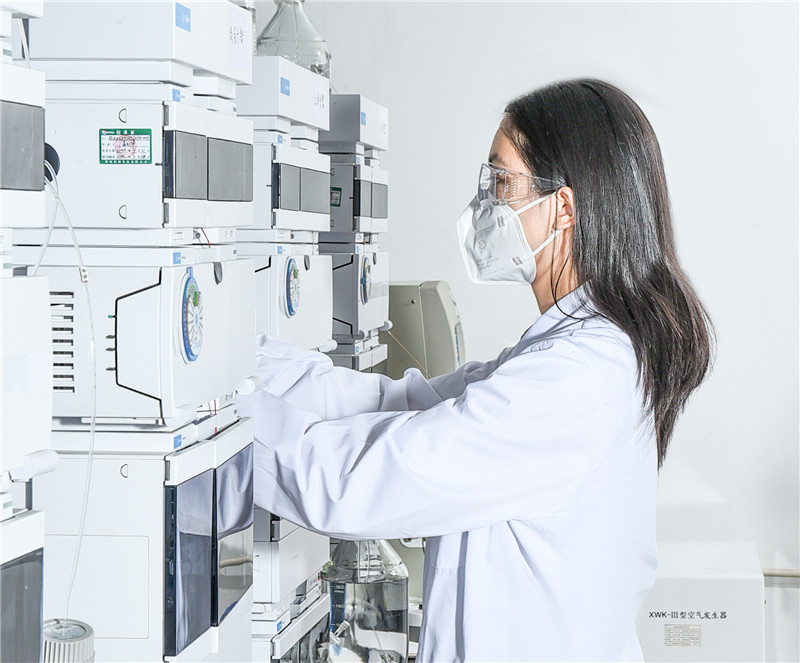

Manufacturing Improvements Delivers Unmatched Quality Manufacturers You Can Rely On
Top Selling Products
- Related Blog
- Reviews
