

Genetic Toxicity Testing: Leading Manufacturer in China Solutions
When it comes to ensuring the safety of chemical products, understanding genetic toxicity is crucial. As a manufacturer based in China, I prioritize providing high-quality testing services that help you make informed decisions for your business. Our state-of-the-art facility specializes in genetic toxicity assessments, enabling you to navigate regulatory requirements while safeguarding public health. I understand how important it is for you to find a reliable partner who can deliver precise and timely results. With our experienced team, we offer tailored solutions that fit your specific needs, whether you're in pharmaceuticals, cosmetics, or industrial chemicals. By choosing us, you're not just getting testing; you're gaining a trusted ally in your product development process. Let me help you enhance your product safety and compliance, so you can focus on what really matters—growing your business. Reach out today to discuss how we can support your goals in genetic toxicity evaluation!


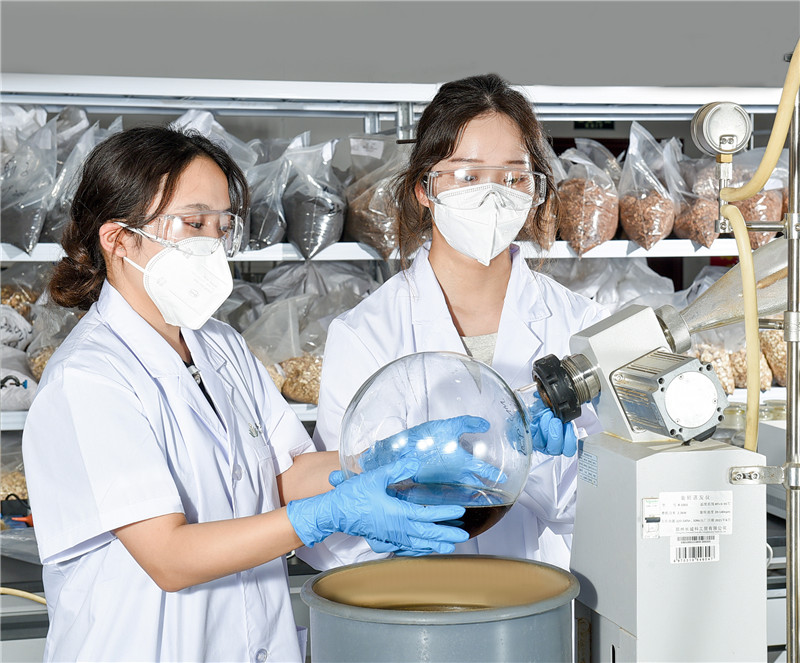


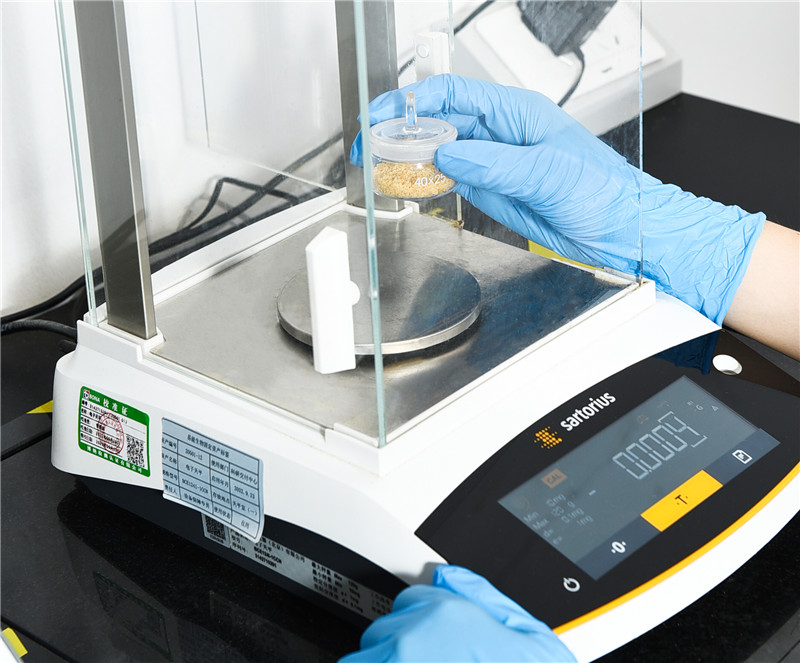
Genetic Toxicity Stands Out Ahead of the Curve
Genetic toxicity has become a critical focal point in the pharmaceutical industry, particularly as regulatory standards evolve and the demand for safer, more effective therapies increases. As global markets expand, it is imperative for procurement professionals to stay ahead of the curve, ensuring that their suppliers adhere to rigorous genetic safety assessments. The significance of genetic toxicity testing cannot be overstated; it plays a vital role in identifying potential off-target effects and ensuring that new drug candidates are not only effective but also safe for human use. In navigating the complexities of genetic toxicity, companies that prioritize advanced testing methodologies will stand out in the competitive landscape. Employing cutting-edge technologies, such as in vitro and in vivo assays, enables the early detection of genotoxic risks, fostering a proactive approach to drug development. This is particularly important as buyers seek to partner with suppliers who can demonstrate a commitment to quality, safety, and regulatory compliance. By focusing on genetic toxicity, procurement professionals can mitigate risks, enhance product quality, and ultimately drive better outcomes for patients. As the industry moves towards a more integrated approach to safety assessments, staying informed about advancements in genetic toxicity testing is essential. Collaborating with suppliers who lead in genetic safety can provide a competitive advantage and help pave the way for innovative, safer therapies. Ultimately, by embracing the importance of genetic toxicity, procurement professionals can play a significant role in shaping the future of pharmaceutical development, ensuring that the products reaching the market are as safe and effective as possible.
Genetic Toxicity Stands Out Ahead of the Curve
| Study ID | Test Substance | Test Method | Result | Conclusion |
|---|---|---|---|---|
| 001 | Substance A | Ames test | Positive | Potential mutagenic effects |
| 002 | Substance B | Micronucleus test | Negative | No significant genetic damage |
| 003 | Substance C | Comet assay | Positive | Indicates DNA damage |
| 004 | Substance D | In vitro chromosome aberration | Negative | No chromosomal damage observed |
Related Products
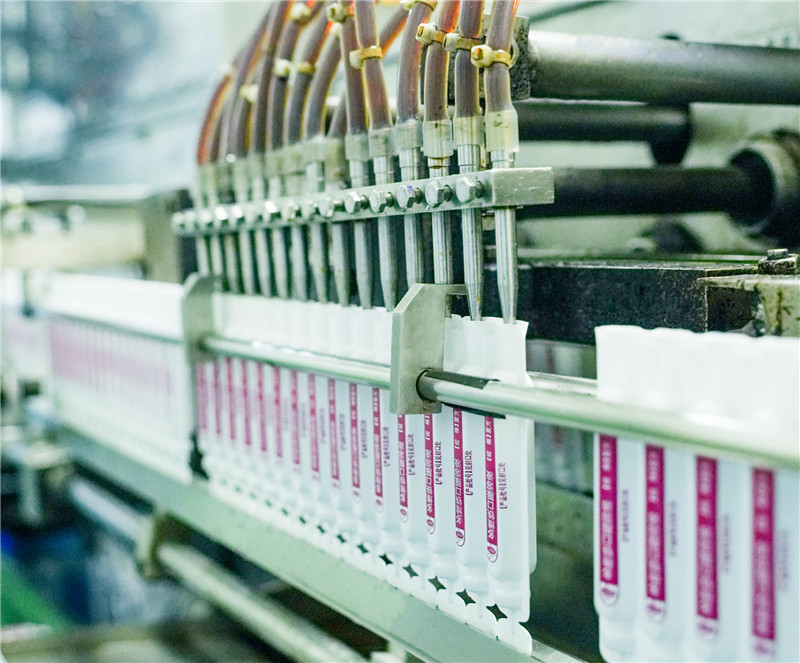





Genetic Toxicity Products Leads the Global Market
Top Selling Products
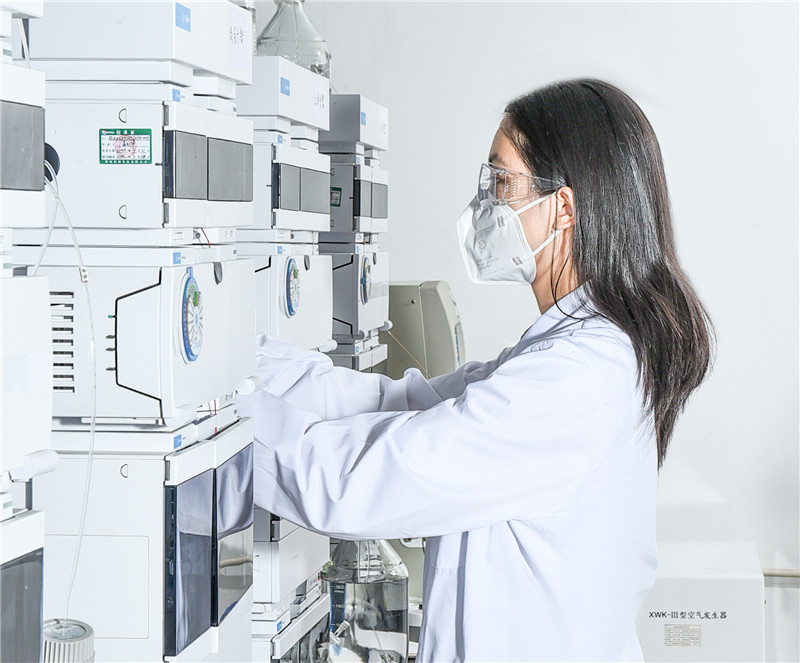
- Related Blog
- Reviews
